

Sports Doping: a new frontier
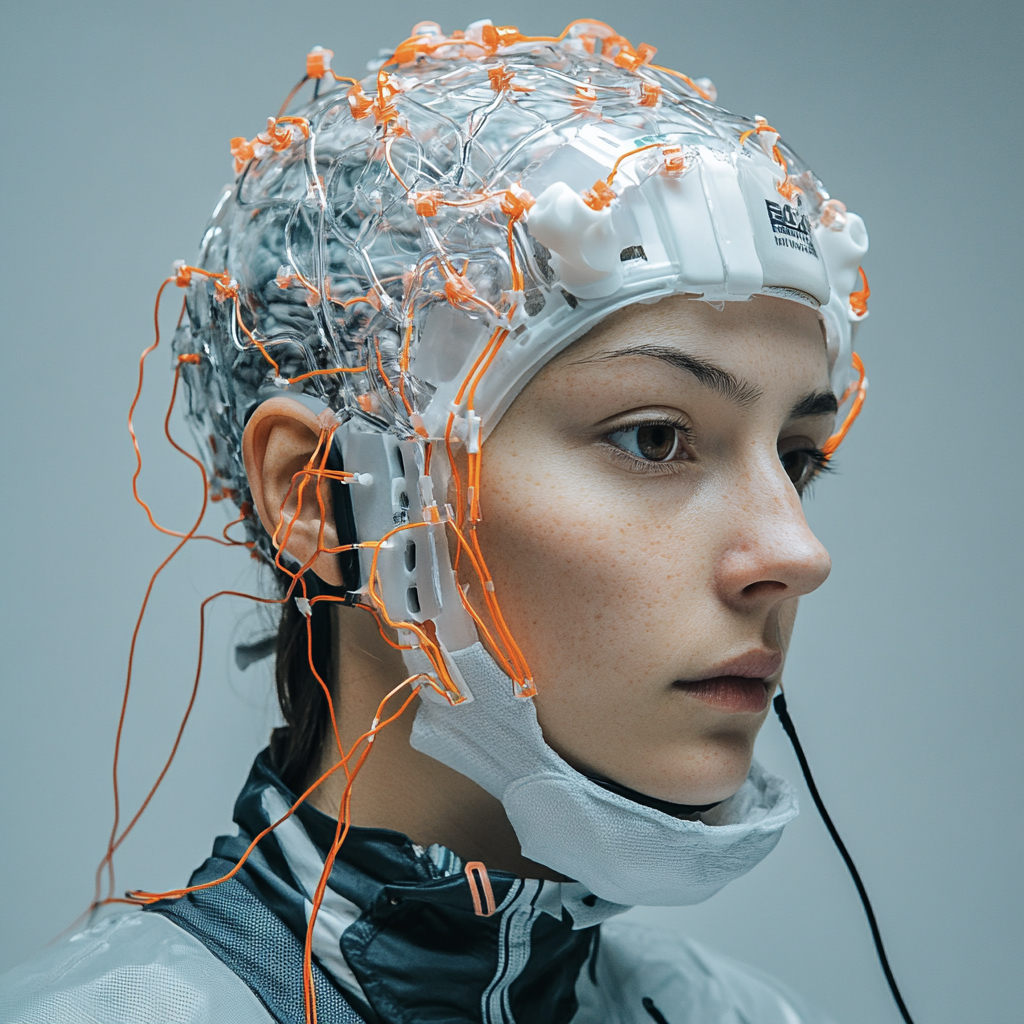
Doping: a theme that, in sport, has always offered ideas of controversy and reflection.
In recent years, the field of non -invasive brain stimulation has also started to make its way into the world of sport. But what exactly are we talking about? This technique uses weak electric currents, applied from the outside, to influence the functioning of the brain. The idea is fascinating: to improve the performance of athletes simply by "stimulating" the brain. A recent study published in the magazine "Brain Stimulation" has deepened precisely this topic, analyzing the impact of this technique on high -level athletes.
Key points of the study
The study examined 19 previous research, involving a total of 258 competitive athletes engaged in strength sports, resistance or characterized by visual-mature skills. The results are surprising: brain stimulation has led to a significant improvement in performance, in particular in sports such as basketball and volleyball, where coordination between vision and movement is fundamental. The major surprise was expressed by Tom Maudrich, the main author of the study, who did not expect to see these improvements even in already highly competitive athletes. This indicates a potential not yet completely exploited by brain stimulation within professional sports.
The future of cerebral stimulation in sport
The researchers see in this technique an opportunity to further optimize athletic performance, opening new perspectives for athletes looking for every possible advantage. However, important ethical issues also emerge with these potential. Could brain stimulation be considered a new form of "neuro-doping"? And if so, how can we discover it and regulate it in the already complex sports world?
Doping: a new frontier?
The world of sport could be faced with a new challenge, a form of doping difficult to detect and even more difficult to regulate. Non -invasive cerebral stimulation could represent the future of improving athletic performance, but at the same time asks crucial ethical questions on the border between lawful improvement and doping. In an era in which athletes constantly try to overcome their limits, what will be the real price of this progress? The word "doping" takes on a new dimension in the context of brain stimulation. Will it be a story of success or ethical dilemmas complex? We will follow with interest the developments of this performance improvement technique.
Do you want to improve your performance without resorting to non -invasive brain stimulation? sport coaching path !
Sources:
