

Performance: Find out why rituals improve the results
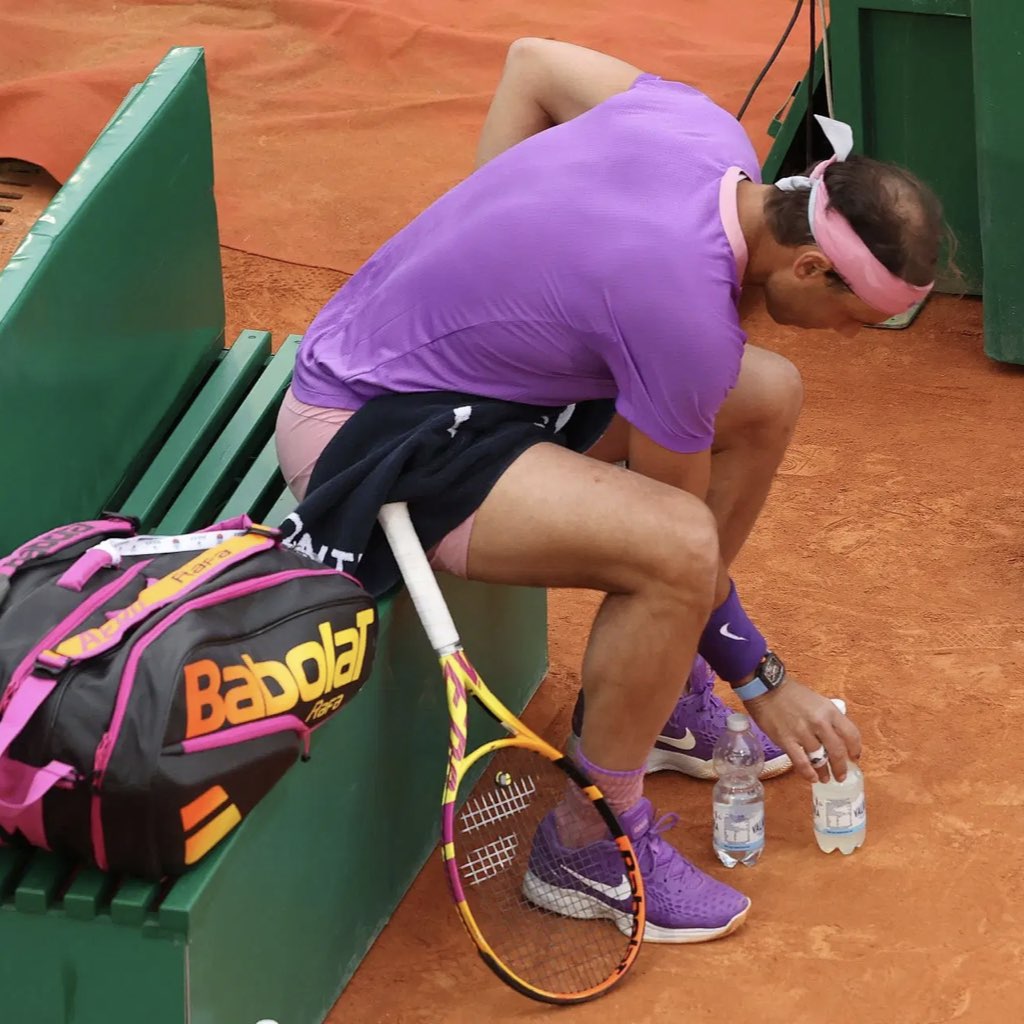
Performance: rituals work or are useless and irrational?
The rituals, often considered simple suits or superstitions, actually play an surprisingly concrete role in the management of stress and in the optimization of individual and collective performance.
Performance and result: why do rituals work?
Regulation of stress and emotions : neuroscience show that in situations of uncertainty or pressure (as before a tender, an exam or a presentation), the human brain tries to reduce anxiety and fear by activating the amygdala, the region responsible for the processing of emotions. The rituals, even if without objective effectiveness, offer a feeling of control and safety that reduces negative emotional activation, lowering cortisol levels (stress hormone) and improving concentration capacity.
Placebo effect and trust in one's skills : an experiment has shown that simply believing that it has a "lucky ball" can improve performance in the golf of 35% compared to those who do not have this type of conviction. The explanation? The activation of a suggestion increases trust in one's skills, with real effects on the result.
Flow's induction : the preparatory rituals that we see very often in sport help to enter the state of flow: a condition of total absorption in the activity, without distractions, which optimizes performance. This state is favored by the ritual because it reduces anxiety and channels attention to the task to be carried out.
Resilience and management of the error : rituals also help to better process errors and failures, attenuating the negative neural response and facilitating the recovery after a failure. This effect has been observed in sporting and professional contexts.
Collective performance: rituals in social connection
In addition to the individual impact, the rituals perform a fundamental function in group cohesion: they synchronize emotions, heartbeat and motivation between members of a team or a professional team, strengthening the sense of belonging and collective resilience.
When do they become a problem?
If practiced in a healthy and conscious way, rituals are useful self -regulation tools. However, when they become obsessive or excessively condition behavior, they can transform into an obstacle or be a symptom of more serious disorders, such as obsessive-compulsive disorder
Conclusion
As we have seen, the rituals are not just folklore or superstition, they are real "mental technologies" that the brain uses to manage stress, increase trust in one's skills and optimize performance. Their effectiveness, demonstrated by numerous studies, is based on the ability to provide a sense of control, regulate emotions and encourage social cohesion.
Download the free eBook " Mindset Mastery - 22 mental training techniques for excellence " and discover advanced techniques and strategies that will guide you in creating a personalized ritual. Do you really want to switch to the next level? Fill out the form to contact me directly and find out what your first step is to the Peak Performance and the results to the press.
Sources
- https://www.itziacomiacomportentalio.it/2022/12/15/la-psicologia-dei-ritali/
- https://fondazionapatriziopaoletti.org/blog/ricerca-e-cevello/perche-i-riti-ono-cosi-storrenti/
- https://www.gazzetta.it/salute/31-12-2024/superverstition-e-cause-cause-origini.shtml
- https://mag.unitn.it/storie/121212/non-ver-ma-a-ci-credo
